
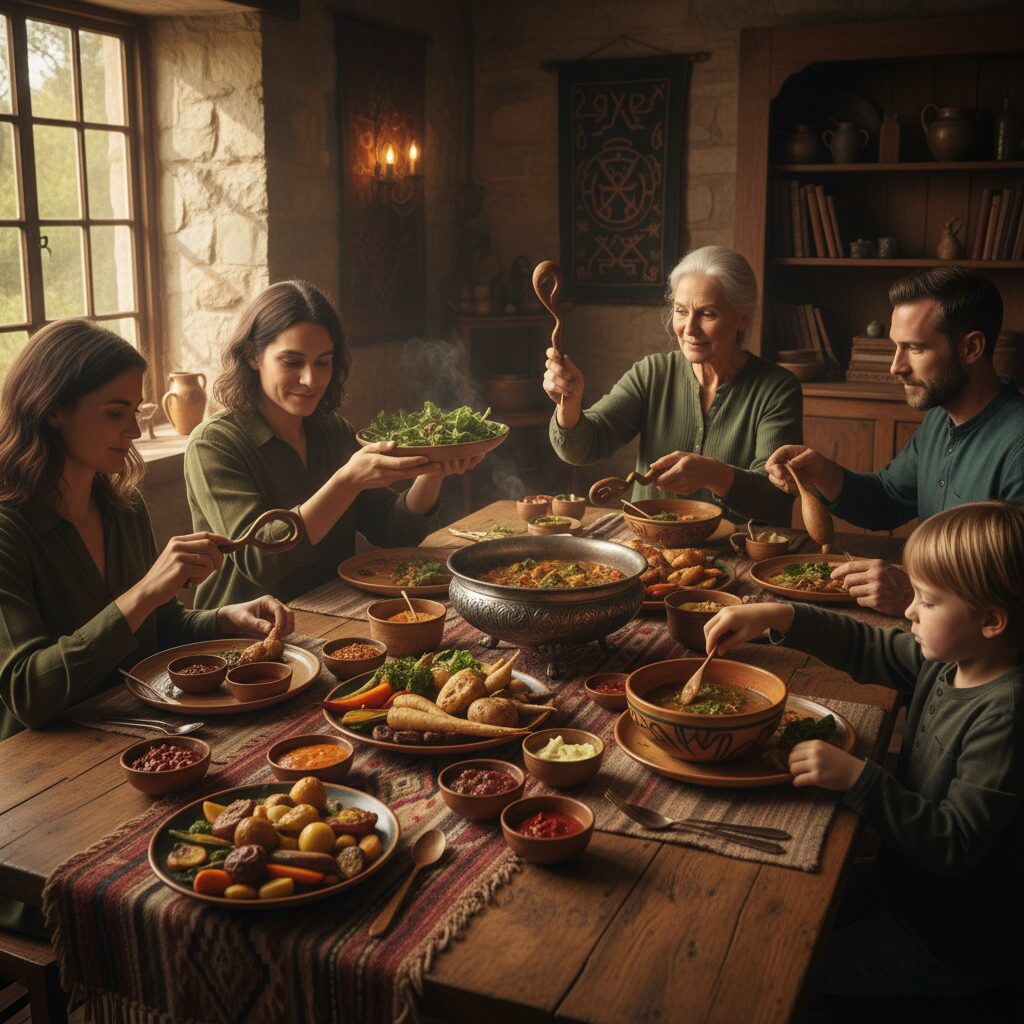
The family meal: that sacred moment when everyone gathers, not necessarily because they’re starving, but because something magical happens around the table. Yes, even if you’ve already met that friend who ALWAYS eats their pizza with a fork or that aunt who always tells the same story about her great-uncle while talking about his secret apple pie recipe. These unusual, sometimes strange, little habits have actually shaped an age-old ritual. They are much more than just a taste of food: they embody family customs, the food traditions that bind us, and even a kind of social theater within each household. Whether you’re the type to eat in front of the TV to pretend you’re socializing or you’re a fan of themed dinners where everyone pretends to love lasagna (when they don’t), know that you’re participating in a delightful dance of unusual habits, family conviviality, and little-known social rituals. Hold on tight, we’re taking you deep into a fascinating world of food practices that revolve around the ritual of the family meal and are worth far more than just a simple “bon appétit.”
How have secret recipes shaped our family food traditions?
You know, those famous recipes that only your grandmother knows by heart and that she stubbornly refuses to share, even under torture (or almost)? These iconic dishes aren’t just things we eat. They’re cultural acts, even sacred objects in the family sanctuary. These secret recipes have survived through the ages, creating a kind of coded culinary language that cements family identity. It’s a bit like the very exclusive “Who’s allowed to touch the rolling pin?” club. In many families, certain dishes are prepared only for special occasions like birthdays, religious holidays, or Sunday gatherings. Imagine a family where “chicken with mysterious herbs” only appears once a year; everyone eagerly awaits this moment, and the chicken becomes more than just a dish—it’s a symbol of sharing and the good life. This kind of practice perfectly illustrates how food traditions are deeply rooted in the social rituals surrounding the family meal.
But that’s not all. Some households take this transmission a step further by organizing family cooking workshops. A true masterclass where everyone gets involved, sometimes creating hybrid dishes that are as surprising as they are unexpected (yes, carrot and curry quiche does exist!). These moments aren’t just about taste; they foster a sense of connection between generations, transforming the shared meal into a festival of creativity… and a delightful mess where the cat watches for every last crumb. It’s no wonder these unusual habits give each meal a special flavor, far removed from a simple moment of filling your plate. In fact, you’ve just discovered one of the hidden facets of family culinary culture: a fascinating world where we eat, certainly, but where we also tell stories, share, and perpetuate family histories, one dish at a time. Why does establishing rituals around family meals change everything? Have you ever tried transforming a dinner into a themed evening? Like a “back to childhood” party with homemade mashed potatoes, (organic, of course) nuggets, and hot chocolate at the end? Or organizing a #PizzaParty where everyone brings their homemade recipe (an opportunity to discover that pizza dough can truly be transformed into a work of art)? These little ideas are actually all…
Social rituals that boost family conviviality. Creating routines around daily or weekly meals gives these moments a reassuring structure. Simply establishing a small ritual—saying what each person is grateful for before eating, sharing an anecdote about the day, or exchanging compliments on the cooking—makes all the difference. The table becomes a circle of trust where young and old alike feel valued.
Ces articles devraient vous plaire

Where does the custom of reading under the covers with a lamp come from?
Ah, reading under the covers with a lamp! This nighttime ritual has something magical and slightly rebellious about it, like a little secret shared with your favorite book and that soft glow that slips right…
Yet, not everyone realizes it, but these eating practices are true catalysts for emotions and well-being. We move from the mechanical act of “we eat because we have to” to a genuine opportunity for sharing, cultivating a sense of family teamwork. It’s a bit like how we organize our cables without going crazy, another unusual habit that aims to bring a gentle order to the chaos of daily life. Here are a few ideas to spice up your family meals:
🎭
Themed dinners
: guaranteed surprises when the kitchen becomes a stage.
- 📖 Story sharing
- : the perfect time to share anecdotes and family secrets. 🙏
- Thank-you ceremonies : a warm and thoughtful touch before every meal.
- 🧁 Homemade dessert day : because a meal without dessert is like a Sunday without a nap.
- 🎤 Gourmet karaoke
: singing while you eat, the art of ultimate conviviality. Over time, these little gestures help strengthen family bonds, making the shared meal much more than just a break, but a sacred moment to feel like you belong to something bigger.
Ces articles devraient vous plaire
How the compass transformed the destiny of world explorers
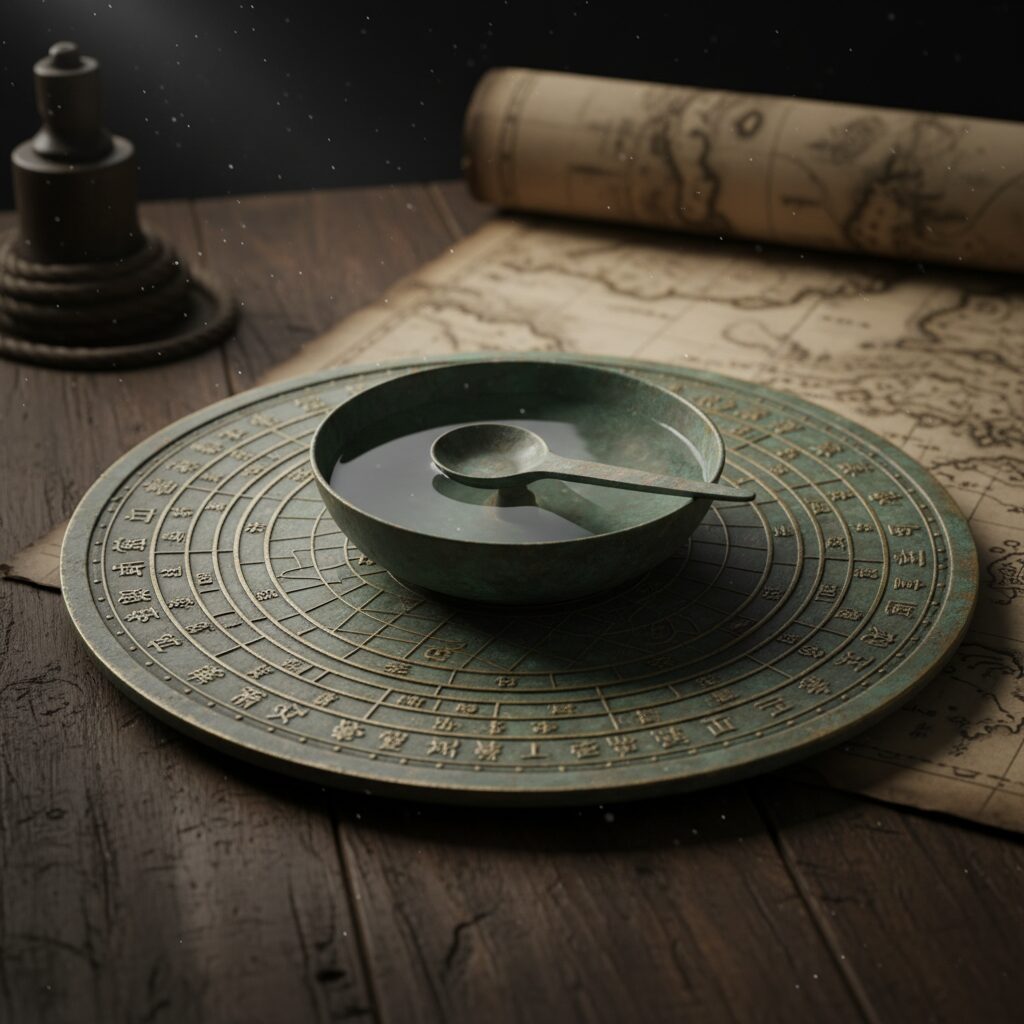
The compass, that small piece of magnetized metal, has undoubtedly changed more destinies than any crystal ball or carnival horoscope. Before its invention, getting lost at sea was practically a national sport for explorers, because…
How do family meals stimulate intergenerational exchange?
The family meal is the perfect playground for intergenerational communication, avoiding the pitfalls of a tedious lecture. Here, the kitchen becomes a kaleidoscope, a melting pot of culinary skills, personal stories, and moral values, all simmering gently between bites. The elders, these living encyclopedias of the family, pass on their culinary secrets, but also their childhood memories, which sometimes hold hidden lessons in living history. Savoring a scallop or a lovingly prepared pot-au-feu isn’t just about enjoying a dish; it’s about devouring hundreds of years of cultural and emotional heritage concentrated on a plate. These exchanges undeniably strengthen family bonds. In fact, this phenomenon isn’t so different from the quirky little habits the French have at breakfast, when they gather around a coffee to chat and share without even realizing it. The family meal works in a similar way: it’s a stage where generations come together in a kind of family “culinary show.”
Furthermore, preparing food together encourages the development of culinary skills in younger generations and stimulates their creativity. A slightly failed quiche can give rise to a new recipe that will be a hit at the next dinner party. This collaborative spirit transforms any family meal into an experimental lab, complete with its own delicious successes and failures.
Here’s a table illustrating the benefits of these exchanges:
| 🔑 Aspect | 👵 Role of Elders | 👶 Contribution of Young People |
|---|---|---|
| Cultural Transmission | Secret Ingredients, Historical Anecdotes | New Interpretations of Dishes |
| Culinary Skills | Ancestral Techniques | Curiosity and Experimentation |
| Strengthening Bonds | Wisdom and Advice | Lively Discussions and Laughter |
It’s this blend of ideas, traditions, and spontaneity that makes the family meal a unique ritual, a far cry from the dark and boring dinners of 90s TV series.
Ces articles devraient vous plaire

the historical secret of locks and keys with improbable shapes
In the vast bazaar of the past, these small metal objects with their decidedly strange shapes aren’t just there for decoration. Antique locks and keys with their improbable silhouettes are the true guardians of an…
https://www.youtube.com/watch?v=6mszFAa0iaU
Why is sharing a meal an elixir of family well-being?
Beyond the flavors, the family meal is also a rejuvenating treatment for the family’s morale. Spending time together away from screens and digital noise allows us to share, laugh, and create new memories—all precious elements in our often hectic and overflowing lives. Meals create the perfect context for accumulating lasting memories. Between instant laughter, spontaneous discussions, and the collective recognition of traditions, each shared meal becomes an emotional building block. It’s a bit like tidying up your cables without going crazy, an art of transforming chaos into soothing order, but with plates!
- But the magic doesn’t stop there. Eating together as a family also promotes a healthy lifestyle, as we tend to choose balanced meals, take our time, and favor fresh, local ingredients. The impact of a good meal prepared with love on emotional and physical health shouldn’t be underestimated. These small habits, when combined, truly make a difference. Here’s a list of the benefits of sharing a meal for well-being:
- 😊 Strengthening emotional bonds: feeling a sense of belonging to a warm and welcoming group.
- 🧘♂️ Stress reduction: a real opportunity to unwind together.
- 🧠 Cognitive stimulation: rich conversations and exchanges of ideas around the table.
- 🍏 Adopting good eating habits: shared preparation and balanced choices.
Ces articles devraient vous plaire

Why do brides wear white, and not another color?
You’ve surely seen, at least once in your life, a bride walk down the aisle in a stunning, immaculate white dress, straight out of a fairy tale. But have you ever paused between bites of…
📸
Creating memories: anecdotes and laughter that stay with you.
A simple meal is therefore no longer a trivial activity, but rather a cornerstone of family togetherness and collective well-being.
What are some unusual family meal customs around the world? While the family meal has universal value, its details often vary enormously from one corner of the globe to another. Unusual customs add spice to these moments, often guided by local tradition, religion, or culture.
For example, in some regions of Africa, the meal is shared from a large communal dish, where everyone eats with their right hand – the left being reserved for the toilet, thanks to etiquette. This is not just a matter of hygiene, but also a powerful symbol of sharing and equality.
| In Korea, one of the unusual rituals is the strict observance of silence while the elders begin to eat. A moment of concentration and gratitude before the lively atmosphere resumes. The fusion of discipline and joy may seem contradictory, but it’s part of a culinary culture where respect finds its expression in food practices. Here’s a little overview of interesting facts about family meals around the world: | 🌎 Region | 🍽️ Unusual Custom |
|---|---|---|
| 🔍 Meaning | West Africa | Eating from a communal dish with the right hand |
| Equal sharing and respect for hygiene rules | South Korea | Respectful silence during the beginning of the meal for elders |
| A sign of respect and concentration | Italy | Extended family dinner with several courses |
| Conviviality and appreciation of time spent together | Japan | Using the rice bowl as a second plate |
Symbolism and refinement in sharing If you feel like exploring these customs or adding your own touch, don’t hesitate to discover how the art of placing one’s hat can also play a role in the family ritual. Or, go read an offbeat investigation on The bizarre habits surrounding the cereal bowl which, between us, deserve a Nobel Prize for unexpected detail.
Ultimately, the family meal, with all its specificities, remains this timeless bubble where tradition, conversation, and laughter intertwine—a true social miracle centered around often improbable plates.
Why is the ritual of the family meal so important?
It strengthens the bonds between family members, transmits food traditions, and instills a sense of cultural and emotional belonging.
What are the most common unusual habits at family meals?
Among the unusual habits are secret recipes, themed dinners, pre-meal gratitude ceremonies, and sharing from a communal dish, depending on the culture.
How does the family meal promote well-being?
It creates an environment conducive to conversation, laughter, and stress reduction, encouraging a more balanced diet and the creation of lasting memories.