
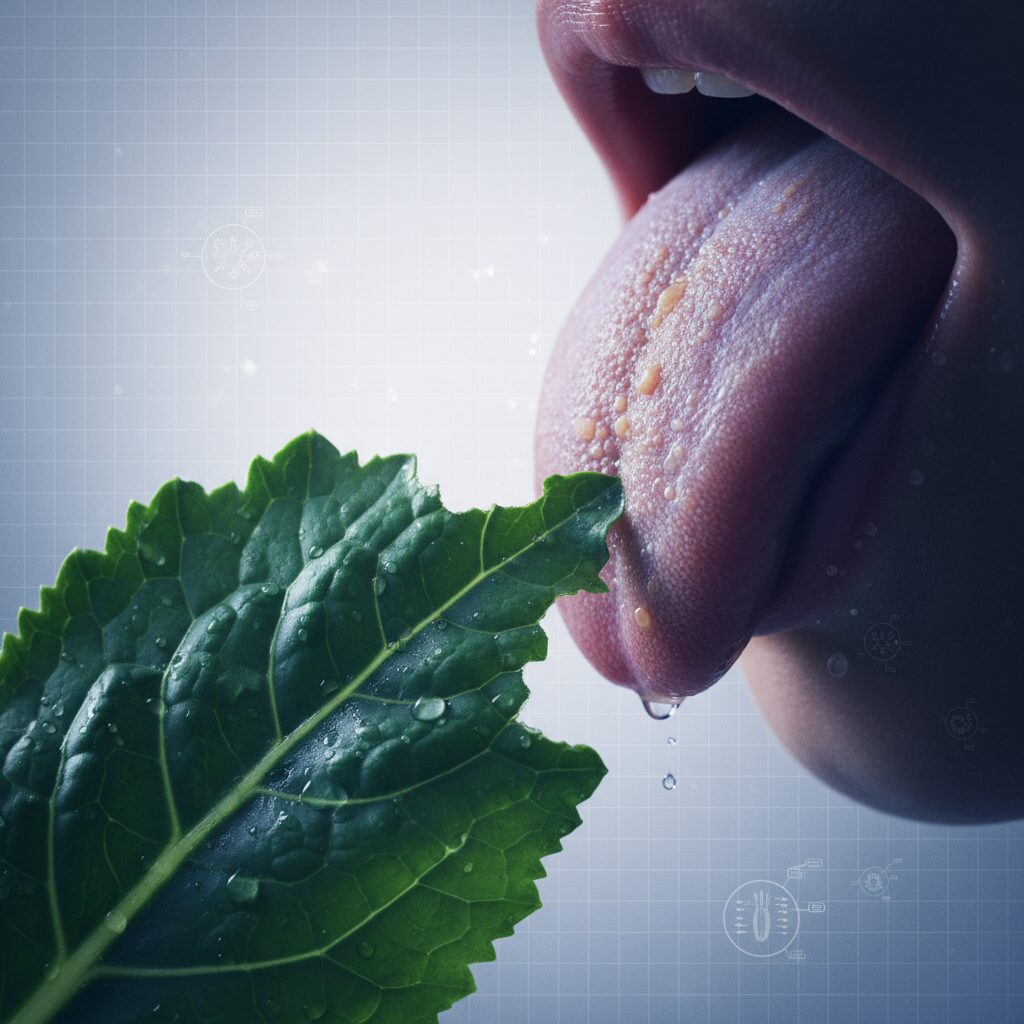
Think eating vegetables should be as simple as biting into a juicy apple? Think again! Some vegetables seem straight out of a culinary horror movie, literally making our taste buds jump—those little sentinels on our tongues always ready to alert our brains. Why can the flavor of broccoli make you frown while a ripe tomato gently caresses your palate? And why can some people relish artichokes or endives while others hate their bitterness so much they turn into a complete idiot? By delving into the depths of taste perception, sensitivity, and the surprising reactions that certain vegetables provoke, we discover a true sensory shock produced by the chemistry of food and the biology of our taste buds. So, get ready to stir things up a bit, because understanding why these vegetables make our taste buds swoon is both a scientific adventure and a festival of unexpected flavors that will make you see your salad in a whole new light.
How vegetable chemistry triggers a surprising taste shock.
Vegetables, those green heroes of our plates, aren’t just providers of fiber and vitamins. Above all, they are creators of complex molecules that speak directly to our taste buds, sometimes giving them a sweet, fruity hug, and sometimes delivering a sharp, bitter punch. This duality is often a source of gustatory shock for many of us. You know that feeling where, instead of calmly savoring the taste, your mouth goes “yuck” or “oh yeah, that stings”? Glucosinolates in cruciferous vegetables (like broccoli, Brussels sprouts, and radishes) are often responsible. These organic compounds release sulfur-containing substances that trigger a rather dramatic chemical reaction on your taste buds. Nature designed this mechanism to deter clumsy grazers (and incidentally, to protect the plant). Over time, our palates have learned to handle the shock, but for many, the lingering bitter taste remains a real shock. Another culprit in this story: tannins, those sneaky little things found in tougher vegetables like artichokes or spinach. Their role is somewhat paradoxical. They protect the plant from external aggressions but cause that astringent sensation, that unpleasant dryness, and that strange feeling in the mouth, like when you chew on an old, dried-out leaf. If you’ve ever wondered why your taste buds seem to go haywire with certain vegetables, here’s an essential point to keep in mind. The chemical structure of these vegetables is an unexpected cocktail that disrupts classic taste perception.
This is also why we can have completely different tastes when faced with the same vegetable. Our reaction to these molecules is conditioned by the way our taste buds are organized, but also by the genes that control our receptors. And for those hypersensitive to bitter tastes, tasting can quickly turn into a nightmare—a real shock for taste buds lost in a world of flavors that are sometimes sweet, sometimes explosive.
Discover why the unique taste of certain vegetables can surprise and confuse our taste buds, delving into the secrets of unexpected flavors.

Ces articles devraient vous plaire

why some people love hot soup in summer, and not just in winter
When the thermometer climbs above 30°C, your first instinct is probably to reach for something ice-cold, right? And yet, for some enthusiasts of unusual flavors and eating habits, hot soup isn’t just reserved for a…
What makes it even stranger is that our taste buds’ sensitivity to taste doesn’t work like a simple remote control with “on” and “off” switches. No, it’s more like a complex orchestra where each taste bud, each sensory cell, plays its part. Some people, known as supertasters, have on average 30% more taste buds than average—meaning they have an army of tiny, ultra-sensitive detectors that pick up on the chemical nuances of food, especially bitter and astringent compounds.
Imagine you’re in a bowling alley, except each pin represents a type of molecule—sweet, salty, sour, bitter, and umami—and a supertaster can see all the pins fall at once. This is perfect for deciphering the super-complex flavor world of vegetables. For them, undercooked broccoli isn’t just bitter; it’s a veritable dissonant symphony that makes their taste buds dance in every direction. For the rest of us, it’s more of a “meh, okay” kind of thing. This incredible difference in taste perception explains the heated debates surrounding vegetables. Some people love the pungent, bitter taste, while others avoid it like the plague.
Our sense of taste is also influenced by past experiences, eating habits, and sometimes even cultural factors. Want to know why some people love hot soup in the summer? Taste, temperature, texture—all of these interact in our brains. And spoiler alert: it’s not just about pleasure, but also about a controlled sensory shock.
Ces articles devraient vous plaire

Why were we all afraid of bitter tastes when we were children?
Do you remember when, as a child, you’d grimace whenever someone offered you a spoonful of that mysterious green and bitter thing whose exact ingredient no one would reveal? Yes, that infamous bitter taste that…
Do today’s vegetables really have less flavor? Why does it upset our taste buds? If some people complain that vegetables have lost their old-fashioned flavor, they’re not entirely wrong. This is because many of the vegetables we find on market stalls in 2026 are the result of a long process of hybridization and industrial selection aimed at producing more resistant plants that are easy to grow and have a perfect appearance, but sometimes at the expense of their aromatic profile. This quest for the perfect vegetable is unfortunately responsible for the gradual disappearance of key molecules that gave our vegetables an intense and varied flavor.
Sun-ripened tomatoes and peppers bursting with flavor have given way to vegetables that are often bland and uniform in taste. This is a major shock to our taste buds, which are used to experiencing explosive sensations. The neglect of agricultural practices that promote flavor has led to a convenient and standardized diet, but one less rich in emotion.
but this remains a niche movement.
Ces articles devraient vous plaire

Why do we like to snack on things that make a strange crunching sound?
You know that guilty little moment when you grab a bag of chips, a piece of carrot, or maybe even that mysterious biscuit that makes a strange crunch? No, it’s not some exotic reflex reserved…
That said, flavor isn’t just a matter of variety and selection. The vegetable’s ripeness at harvest time is also crucial. A vegetable picked too early will never reach its full aromatic potential. This phenomenon is often seen in out-of-season vegetables, where earliness takes precedence over taste. The result: a disappointing sensation, almost a shock compared to what our taste buds were expecting. This gustatory disappointment is often the beginning of consumers turning away from conventional vegetables.
How cooking and seasoning can save or ruin the enjoyment of vegetables Don’t always blame your taste buds; sometimes it’s cooking technique that makes all the difference. The taste of some vegetables can go from “awful” to “oh, that’s good” simply by changing the cooking method or seasoning. For example, broccoli boiled for too long releases too many sulfur compounds that overwhelm the palate. The result: an olfactory and gustatory shock that’s difficult to manage. On the other hand, steaming or a quick stir-fry helps preserve the tenderness and more subtle flavors.
Seasoning also plays a crucial role in this equation. Adding a touch of acidity (lemon, vinegar) or sweetness (a dash of honey or maple syrup) can modulate the fundamental bitterness of vegetables. Some sauces, like white sauces, conceal mysterious flavor secrets that can transform a rather bland dish into a feast for the taste buds.
- These sauces can thus mask or reveal certain flavors by playing with perception.
- Here’s a short list of tips to avoid the shock of disoriented taste buds when faced with vegetables:
- 🥦 Opt for gentle cooking methods (steaming, quick stir-frying) to maintain the balance of flavors.
- 🍋 Add a touch of acidity to balance the bitterness.
Ces articles devraient vous plaire

Why white sauces hide mysterious taste secrets
Think white sauce is just milk or cream left in your pan? Think again! Dive into this invisible, creamy world where French cuisine unveils its most mysterious flavor secrets. This perfect blend of smooth textures…
🍯 Use a touch of natural sugar to soften overly pungent vegetables.
🧄 Add aromatic herbs to enhance the flavor without completely masking the vegetable.
🥕 Don’t hesitate to try pan-frying with a good drizzle of olive oil to create a crispy texture and add flavor.
| Taste buds that get used to things: when vegetables become unexpected flavor heroes | You may have already heard that taste is a matter of habit. Good news: even if some vegetables shock you at first, your taste buds can adapt, even reconcile with flavors that seemed hostile at first. This phenomenon of taste habituation is a fascinating dance between biology and the brain. | By exposing your taste buds to these unusual and surprising flavors, you gradually train your taste system to slow its flight response to bitter or astringent tastes. It’s a bit like a theater troupe rehearsing its lines until it’s perfected. But this transformation doesn’t happen overnight. According to recent studies on taste sensitivity, it takes an average of several weeks for taste buds to learn to handle complex flavors. For some, this can even reveal a new dimension of tasting where vegetables become the stars of an unexpected flavor show. Adapting to bitter or astringent tastes is a real physiological phenomenon, explained in this fascinating article. | |
|---|---|---|---|
| To conclude this adventure of bewildered taste buds, learn to listen to your palate with curiosity and patience. Your diet can become an incredible sensory playground where each vegetable initially shocks you only to enchant you later. So, ready to take on the challenge of finding the vegetables that give you the most taste surprises? | 🍽️ Vegetable | 🌱 Main ingredient responsible | |
| 😖 Major taste sensation | 🎯 Cooking/Seasoning Tip | Broccoli | Glucosinolates |
| Pungent bitterness | Steamed, lemon | Artichoke | Tannins |
| Astringency and dryness | Quick stir-fry, white sauce | Endive | Chlorogenics |
| Mild bitterness | Baked, honey | Spinach | Oxalates |
Moderate astringency
Blanch, fresh herbs
Radish
Glucosinolates
Pungent and bitter
Raw, vinegar
Why do some vegetables taste so bitter?
Vegetables like broccoli or endive contain bitter molecules such as glucosinolates or chlorogenics, designed to protect the plant. These compounds activate bitter taste receptors on the tongue, sometimes causing a taste shock sensation.
How do our taste buds adapt to the unpleasant tastes of vegetables?