

Imagine yourself wandering through a bustling Asian market or a colorful Latin American street corner, drawn by the enticing aromas of food that tickle your nostrils, but also by those bizarre dishes that raise an eyebrow. Street food, this little theater of culinary oddities, is a bit like a secret laboratory of strange flavors. It delights in surprising us, shaking up our taste habits and transforming each bite into a gustatory experience as disconcerting as it is addictive. Here, there are no white tablecloths or fine china: just the freedom to explore an exotic cuisine where culinary surprises spring up like mushrooms after the rain.
But why has street food become the preferred playground for atypical pleasures? How do these unusual dishes, sometimes with questionable appearances or dubious flavor combinations, end up becoming the stars of our most memorable gastronomic discoveries? This traveling spectacle of street food reveals a little-known and delicious facet of world cultures. Between local traditions, surprising ingredients, and culinary daring, each stall tells a spicy story that tantalizes the taste buds and challenges our limits. From incongruous fusions to improbable ingredients, let’s dive together into this world where the bizarre rhymes with deliciousness.
Why street food is the kingdom of culinary oddities Let’s be honest, street food is the guilty pleasure of gourmets who crave novel and sometimes slightly crazy experiences. What makes it so fascinating is precisely the almost total freedom given to cooks to experiment. Unlike restaurants, where the menu is often constrained by market forces and a quest for consensus, street vendors are born creators. Their laboratory? A simple saucepan, an open fire, sometimes a grimy griddle, and above all, ingredients that are often modest, even improbable. This modesty is paradoxically a driving force for innovation. Street food is where culinary oddities truly blossom, with strange dishes that defy logic but seduce the palate.
For example, you might find daring combinations such as fries dipped in dark chocolate and sprinkled with sea salt, a contrast between salt, sweetness, and bitterness that turns the senses upside down. Or take this pizza with its crispy crust, topped with Nutella and goat cheese – a supposed heresy, but a real hit with those who appreciate unusual flavors. These strange flavor combinations didn’t originate in sophisticated kitchens but on street stalls, where eccentricity is the norm. The culinary oddities of street food don’t just stem from the flavor combinations but also from the ingredients themselves. It’s impossible not to mention the edible algae used in desserts, like a chocolate mousse enriched with spirulina, giving it a texture and color that might raise eyebrows… but once you taste it, it’s a festival of flavors. This blend of exotic ingredients with traditional recipes demonstrates a creative adaptation to local resources, history, and tastes – a true testament to the magic of street food.These oddities also reflect cultural diversity: Hákarl, the fermented Icelandic shark that many would avoid because of its ammonia smell, is nonetheless a staple of Icelandic street food. The same goes for durian, the fruit with a sulfurous aroma whose creamy flesh is adored in Southeast Asia. These unusual dishes, sometimes unappetizing to the uninitiated, represent a true gustatory challenge and a plunge into age-old traditions. They prove that street food is much more than a quick meal: it’s a journey into the deliciously strange oddities of the world.

Ces articles devraient vous plaire

How our taste buds adapt to the most unlikely flavors
Have you ever wondered how your palate finally accepted that black coffee without sugar that you hated as a teenager? Or how you can now enjoy that spicy dish that used to make you cry?…
How unbridled creativity invents unusual dishes in markets around the world.
Street food is a bit like the free stage of the culinary world, a place where every vendor is simultaneously an artisan, a chemist, and a musician of the taste buds. At these stalls, creativity explodes, and you witness inventions as whimsical as they are unforgettable. The secret? Mixing ingredients like an alchemist’s laboratory in search of the magic potion. Street food often plays on contrasts between sweet and savory, hot and cold, mild and spicy. For example, bacon and caramel cake has become a classic of culinary oddities, juxtaposing the salty crispness with the sweet melt-in-your-mouth texture in a crescendo of flavors. This type of experimentation breathes new life into the usual taste and generates a veritable overdose of pleasure.
For the more adventurous, molecular gastronomy sometimes makes its way onto mobile food stalls: jelly-like vinegar pearls that burst in the mouth or Coca-Cola-flavored foam in a hot soup illustrate how modern techniques combine with street food recipes to reinvent gourmet experiences in a new light. These inventions contribute to the rediscovery of familiar flavors in a radically different form, playing with textures and sensations for a guaranteed surprise.
Among the unusual ingredients, we also find zucchini blossoms stuffed with blue cheese, a delicate dish that transforms a simple element into an exceptional bite. Or edible seaweed used to boost nutritional value while giving an unexpected twist to desserts. This constant search for originality reflects a desire to reconnect cuisine with nature and seasonality, but also a thirst to push the boundaries of culinary traditions. Here is a list of some unusual ingredients and combinations that proudly grace the shelves of markets:
🍟 Chocolate and sea salt fries
- 🍕 Nutella and goat cheese pizza
- 🦪 Spirulina algae in chocolate desserts
- 🥓 Bacon-caramel cake
- 🍲 Coca-Cola soup
- 🌺 Zucchini blossom stuffed with blue cheese
- 🦋 Spherical balsamic vinegar pearls
- Street food as a mirror of local culture and eating habits
Ces articles devraient vous plaire
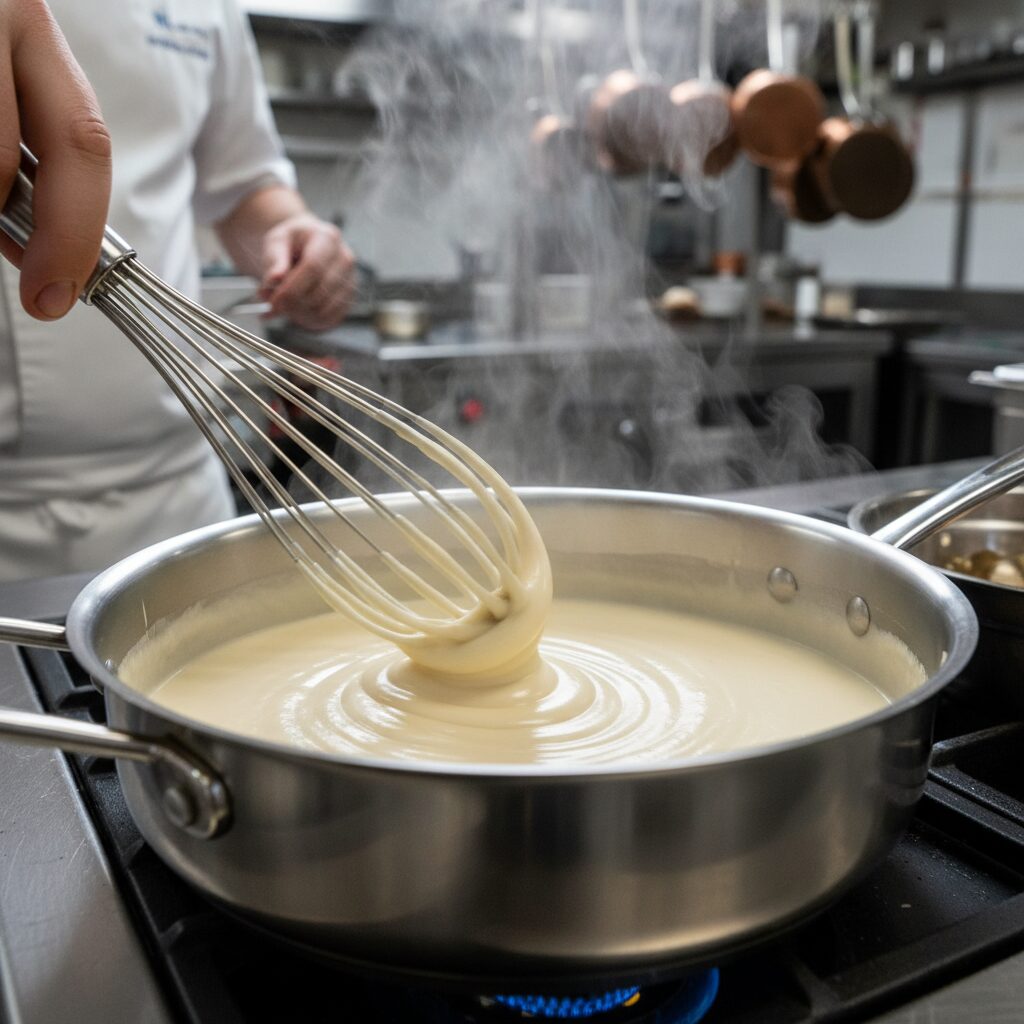
Why white sauces hide mysterious taste secrets
Think white sauce is just milk or cream left in your pan? Think again! Dive into this invisible, creamy world where French cuisine unveils its most mysterious flavor secrets. This perfect blend of smooth textures…
Often underestimated, the world of street food is an excellent reflection of a population’s traditions and lifestyles. It is not limited to a simple snack but embodies a philosophy of life, a living testament to the eating habits of a particular land and climate.
What sets street food apart from traditional restaurants is its direct connection to local culture. For example, Vietnamese pho isn’t just a hot soup; it’s an essential comfort food, carefully prepared with fresh, locally sourced ingredients and passed down through generations. Similarly, Mexican tacos, with their endless regional variations, tell stories of migration, cultural adaptation, and local ingredients. They are tangible embodiments of a living heritage.
This cuisine is also faithful to seasonality and availability, making each dish unique depending on the time of year, which further accentuates its unexpected and sometimes quirky nature. Street food showcases a brilliant resource optimization strategy: it promotes zero waste and the reuse of ingredients, sometimes in combinations you’ll never find on the menu of a trendy restaurant.
| A comparison chart clearly illustrates the unbeatable value for money and the diversity of dishes, a true invitation to taste what the land and local expertise have to offer: | 🍲 Type of cuisine | 💶 Average price in a restaurant |
|---|---|---|
| 🍜 Average price of street food | Thai | €15 |
| €3 | Vietnamese | €12 |
| €2.50 | Mexican | €18 |
€4
Ces articles devraient vous plaire
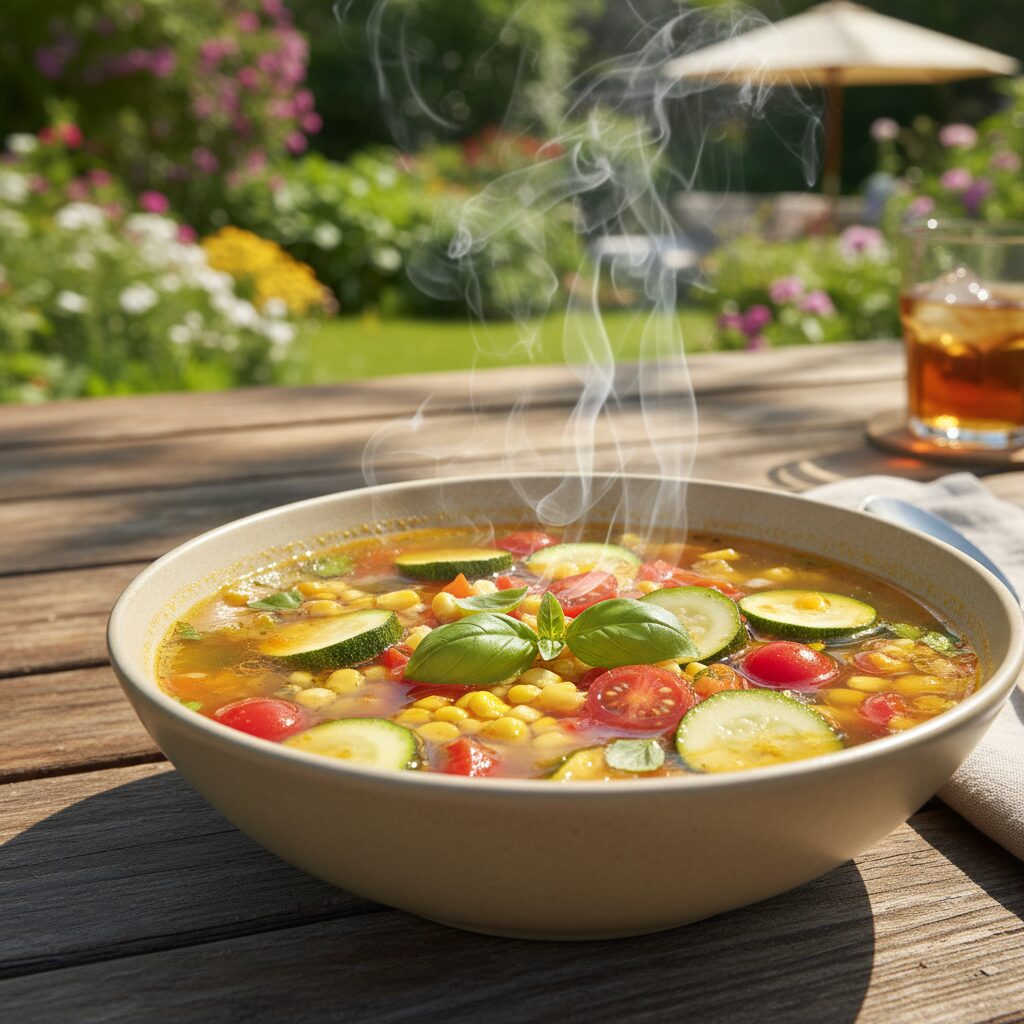
why some people love hot soup in summer, and not just in winter
When the thermometer climbs above 30°C, your first instinct is probably to reach for something ice-cold, right? And yet, for some enthusiasts of unusual flavors and eating habits, hot soup isn’t just reserved for a…
The richness of this cuisine lies in the use of fresh, seasonal, and local ingredients, but also in the intergenerational transmission of ancestral knowledge that you can discover by directly meeting the vendors, often passionate and proud of their craft. Their good humor and expertise make each experience even more flavorful and authentic.
What are the risks and precautions when faced with unusual street food?
Yes, street food is a bit like an Eldorado of unusual flavors, but it’s important to remember that with this freedom comes responsibility: food safety travels. Don’t let yourself be swept away by an extraordinary culinary experience without taking a few precautions.
Health risks remain the primary concern. Hygiene is often rudimentary, and storage is sometimes questionable: in short, your vigilance is your best ally. To avoid unpleasant surprises, choose clean stalls, those where the food is cooked in front of you, and avoid tap water or raw vegetables that haven’t been properly washed. Learning about local practices is also essential for surviving and enjoying your meal. After all, nobody wants to end their trip with a memorable parasitic episode, even if the fascination with exotic cuisine is strong.
Furthermore, beware of tourist traps! Scams are rampant in certain tourist areas, where inflated prices and small portions are commonplace. Here again, getting advice from locals or checking online reviews can prevent many disappointments. Sometimes, a less-than-glamorous but very popular stall is the best guarantee of authenticity and quality.
As for ethical and environmental considerations, the current trend is towards more responsible street food. Supporting independent and local vendors, reducing the use of plastic packaging, and encouraging sustainable street food all contribute to making each tasting a positive experience for the environment and the local economy.
- You can even participate in this movement by choosing food tours that embrace these values, with reusable cutlery or vegetarian options. Here’s a short list to keep these key points in mind during your next culinary adventure:
- 🧼 Choose clean and busy stalls
- 🔥 Opt for food cooked in front of you
- 🚱 Avoid unbottled water and questionable raw vegetables
Ces articles devraient vous plaire

How viscous foods awaken our dormant senses
Have you ever wondered why certain foods, those strange and gooey things, have this almost magical ability to jolt our senses awake like a shot of adrenaline in a world of dormant taste buds? No?…
💸 Research local prices to avoid scams
🌍 Support local businesses and sustainable practices
What culinary mysteries does street food around the world hold?
Street food is much more than just a quick bite; it’s a treasure trove of delicious oddities that you need to learn to decipher. Each dish, however strange, is a gateway to understanding a culture and its culinary traditions, sometimes mysterious and surprisingly inventive.
Did you know that fermentation can transform a simple shark into a delicacy? The famous Icelandic Hákarl is living proof. Or that the durian, so often criticized for its nauseating smell, is actually a king of fruits, revealing a creamy, sweet taste that’s almost addictive for those in the know? These dishes make you feel like a flavor explorer, an Indiana Jones of taste, braving the uncharted paths of street food.
These mysteries are also playful escapes where cooking becomes performance and inquiry. For example, shrimp, rather ordinary, radically change color when cooked, a chemical comedy that fascinates and amuses—proof that even simple phenomena hold secrets. To learn more about these oddities, don’t hesitate to discover how certain slimy foods stimulate our senses or why the smell of fresh bread is so irresistible—just a few little anecdotes that make the culinary journey even more delicious.
In short, street food is a delicious patchwork where traditions, daring, and sensory experiences intersect in a joyful culinary bazaar. So don’t be afraid to be adventurous, to taste, and above all, to let yourself be surprised by these atypical adventures that are the spice of our culinary journeys.
Why does street food often offer unusual flavors?
Because street vendors freely experiment with local ingredients, creating unexpected combinations and original dishes that don’t always follow classic culinary conventions.
How can you avoid health risks when eating street food?
Choose clean stalls, opt for food cooked on-site, avoid tap water and unwashed raw vegetables, and familiarize yourself with local hygiene standards to ensure a pleasant experience.
What are some unusual ingredients often used in street food?
Ingredients like edible algae (spirulina, dulse), zucchini blossoms, exotic fruits like durian, or even processed products like fermented shark are among the unusual ingredients that enliven street food recipes.