
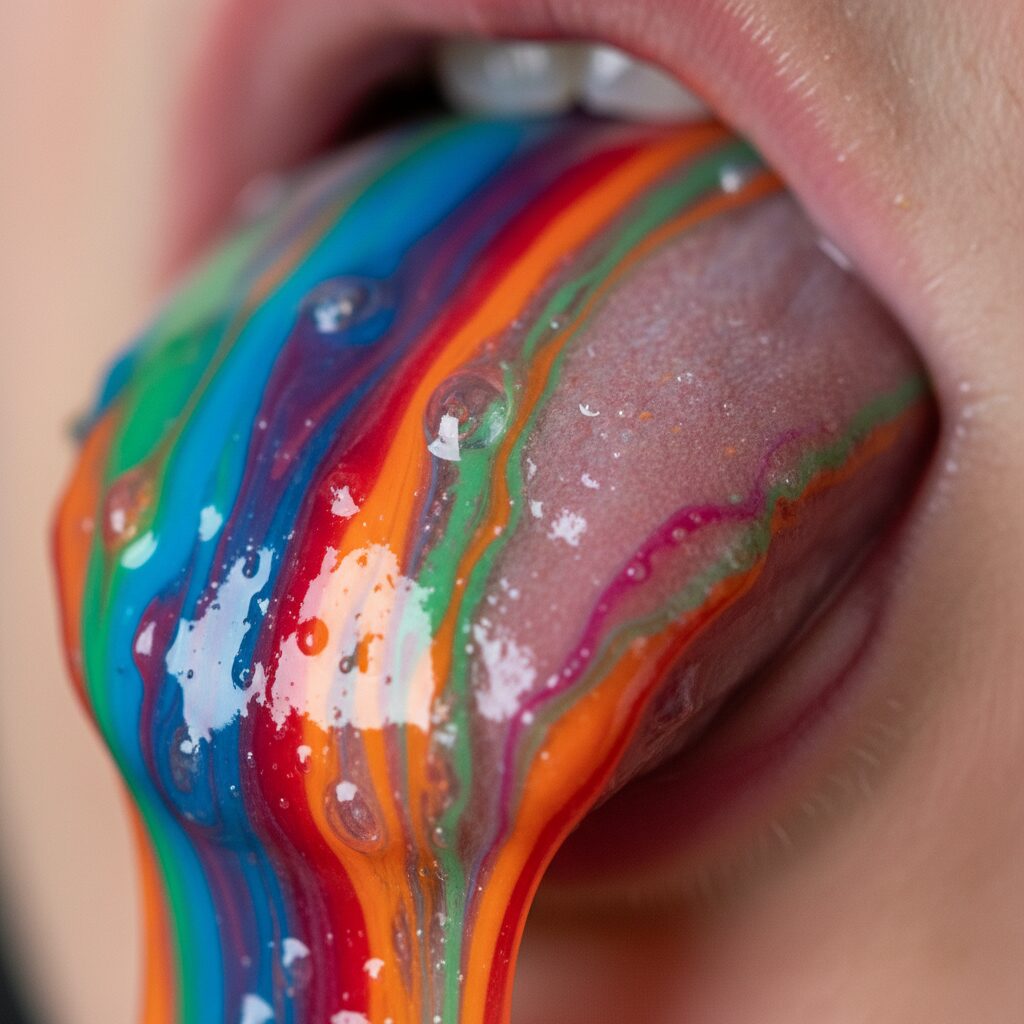
Have you ever wondered why certain foods, those strange and gooey things, have this almost magical ability to jolt our senses awake like a shot of adrenaline in a world of dormant taste buds? No? Well, this is the perfect opportunity to break out of your culinary routine and discover how viscous texture plays the unsung hero in the story of sensory perception. So yes, it’s not just about taste or calories consumed, but rather a true gustatory experience where gooey foods become morning wake-up calls for your brain and taste buds. Ready to dive headfirst into this sensory journey? Let your imagination run wild, because this is the stickiest yet most stimulating sensory interaction imaginable!
Why do gooey foods stimulate our dormant senses?
Before you devour that famous tapioca or that famous sticky mango jelly, know that viscosity isn’t just for show on the plate. It’s like a gentle, musical tap on the heel in the dance of the senses. The viscous texture provides intense mechanical stimulation in the mouth, triggering a flood of sensory signals to the brain.
The oral sensory system, packed with receptors sensitive to pressure, texture, and movement, pulsates with pleasure under this sticky sensation. Indeed, this “food sensation” causes what is technically called an amplified sensory interaction, because the prolonged viscosity of the food in the mouth allows for longer contact with the taste buds, increasing overall sensory perception. It’s a bit like your brain receiving a signal worthy of a rock concert, not a soporific lullaby. To give you an idea: imagine wearing a rough shirt against your skin; it’s bound to wake you up more than a soft cotton one. Viscous foods work on the same principle; they shake up our dull sensory routine. So why not try these textures more often, whether in traditional dishes or slightly more unusual culinary creations? It’s a real feast for our dormant senses and a great way to break free from the prevailing food lethargy.
To delve even deeper into this fascination, take a look at this article that explores
why the slimy texture is so captivating in certain dishes. It’s a must-read to understand why some urban food chains deliberately embrace these unusual yet stimulating textures.
Ces articles devraient vous plaire
Why were we all afraid of bitter tastes when we were children?
Do you remember when, as a child, you’d grimace whenever someone offered you a spoonful of that mysterious green and bitter thing whose exact ingredient no one would reveal? Yes, that infamous bitter taste that…
Discover how viscous foods stimulate our taste buds and awaken our dormant senses thanks to their unique textures and unexpected sensations.
How does viscosity affect sensory perception in the mouth?
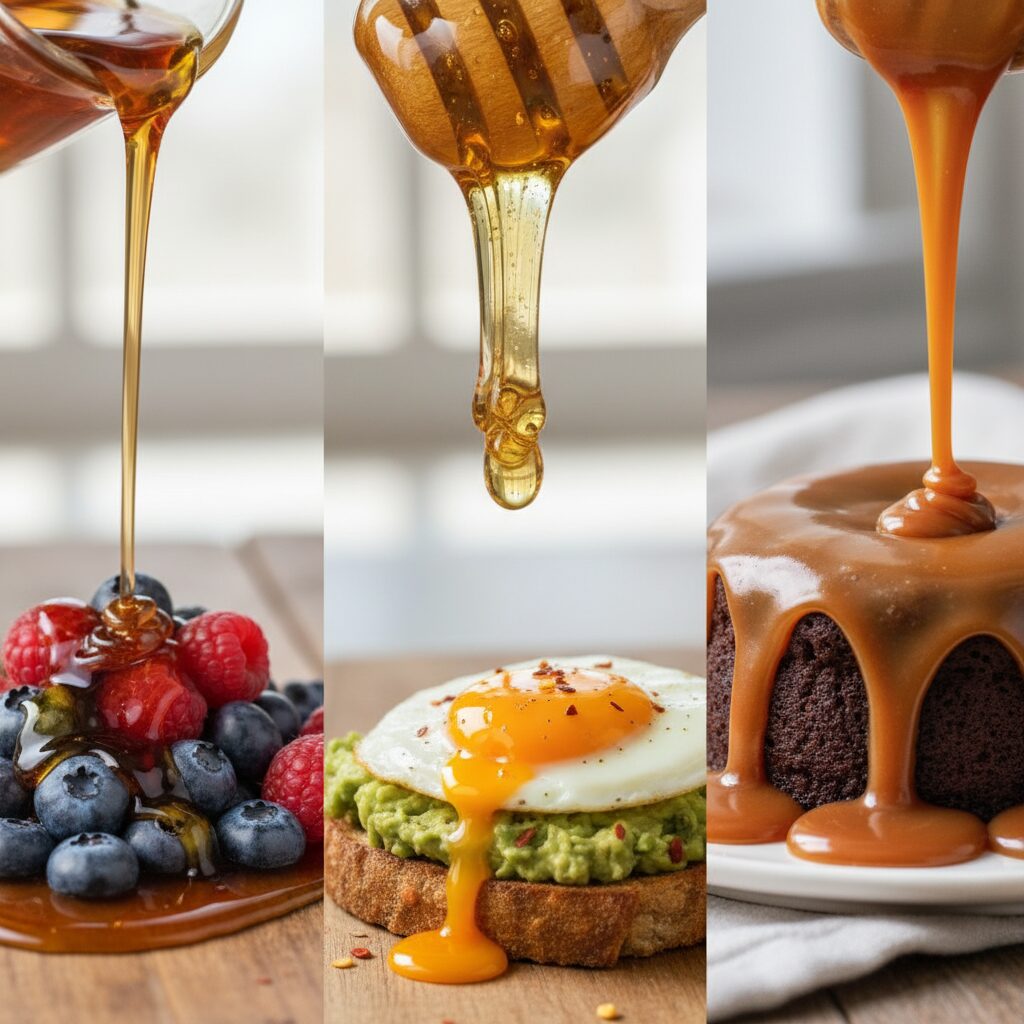
In our mouths, each bite is a multisensory adventure. But when a food has a viscous texture, it profoundly alters how we perceive this taste experience. First, there’s the increased contact time between the food and the mucous membranes, which intensifies the perception of aromas and flavors. Imagine, for instance, a melting caramel, a tapioca mousse, or a sticky chutney that doesn’t just disappear instantly but lingers, slides, and clings slightly. This interaction prolongs the “dance” between your tongue, palate, and taste buds, forcing your brain to activate more neural pathways to analyze all the sensations.
The role of tactile receptors and their sensory awakening
One of the secrets to this sensory awakening lies in the tactile receptors on the tongue and palate. These tiny sensors don’t just detect taste; they also sense texture, temperature, and pressure. And when a texture is viscous, they become more active than ever, sending powerful signals to the brain. This mechanical stimulation can even influence the perception of flavors, sometimes making them more intense or even complex.
In short, viscosity plays a dual role: firstly, by increasing the duration of contact between molecules and receptors, and secondly, by stimulating a large number of tactile receptors through the texture itself. A winning formula for an effective sensory awakening!
Viscosity and salivation: a winning interaction Another little-known effect is the ability of viscous foods to modify salivation. When a viscous food glides slowly across the tongue, it promotes a more even and prolonged production of saliva. This saliva plays a crucial role because it dissolves aromatic compounds, allowing them to better penetrate taste receptors. The result: a richer, deeper taste experience, where your senses can’t fall asleep with even the smallest bite.
Ces articles devraient vous plaire
Why white sauces hide mysterious taste secrets
Think white sauce is just milk or cream left in your pan? Think again! Dive into this invisible, creamy world where French cuisine unveils its most mysterious flavor secrets. This perfect blend of smooth textures…
This alchemy between texture and salivation helps explain why some “slimy” desserts or dishes are so addictive despite their strange or off-putting appearances. It’s the secret touch that awakens the dormant senses of even the most skeptical foodie.
Slimy foods in our eating habits and their impact on sensory stimulation
Don’t worry, viscous foods aren’t just curiosities of Asian cuisine or wacky science fiction creations. They’re everywhere and play a key role in how we experience food every day. From velvety-smooth yogurts and thick, creamy sauces to soft bread, each different food texture contributes to a different and welcome sensory awakening. Why should we all incorporate more viscous foods into our diets? Because they bring variety to our sensory perception, preventing the taste fatigue that can creep into our often overly uniform plates.
- Examples of viscous foods to try and their sensory effects: 🥥 Tapioca
- – An explosion of textures, a real workout for the tongue. 🥛
- Greek yogurt – Rich in creaminess that soothes yet stimulates the taste buds.
- 🍯 Honey – Sticky and comforting, it amplifies the aromatic experience.
- 🍲 Red Bean Soup – A smooth, viscous texture that lingers in the mouth and surprises.
🍡 Dango
Ces articles devraient vous plaire
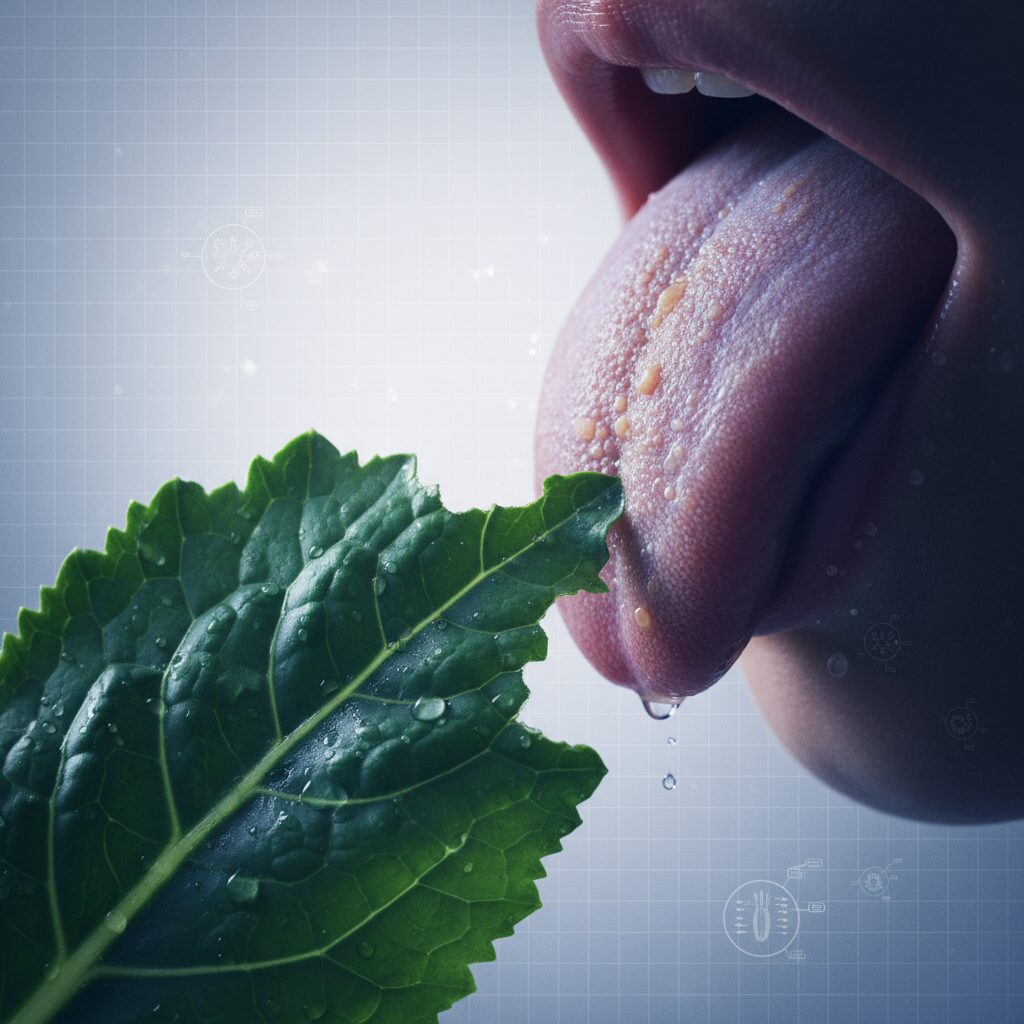
How the taste of certain vegetables shocks our unfamiliar taste buds
Think eating vegetables should be as simple as biting into a juicy apple? Think again! Some vegetables seem straight out of a culinary horror movie, literally making our taste buds jump—those little sentinels on our…
(sticky Japanese dumplings) – Soft and sticky texture for an unexpected sensory jolt.
And yes, trying this category of food means opting for a true awakening of the senses, producing an enthusiastic sensory interaction, far removed from the bland and dreary meals of everyday life. Your brain will thank you by sending much more intense signals of pleasure and satisfaction.
The biological mechanisms behind the sensory awakening of sticky foods
If we scratch beneath the surface of the texture, to find the magic that happens in our neurons when viscosity comes into play, we discover a fascinating biological cocktail. Sticky foods influence several sensory systems simultaneously, and that’s serious stuff!
Intense viscosity acts as a tactile alert, prompting pressure receptors (mechanoreceptors) in the mouth to send robust signals to the somatosensory cortex, which coordinates the overall perception of what enters the mouth. This sensory processing results in a form of heightened brain “awakening,” rather than a simple mechanical act of chewing.
Influence on salivation, chewing, and digestion
Ces articles devraient vous plaire
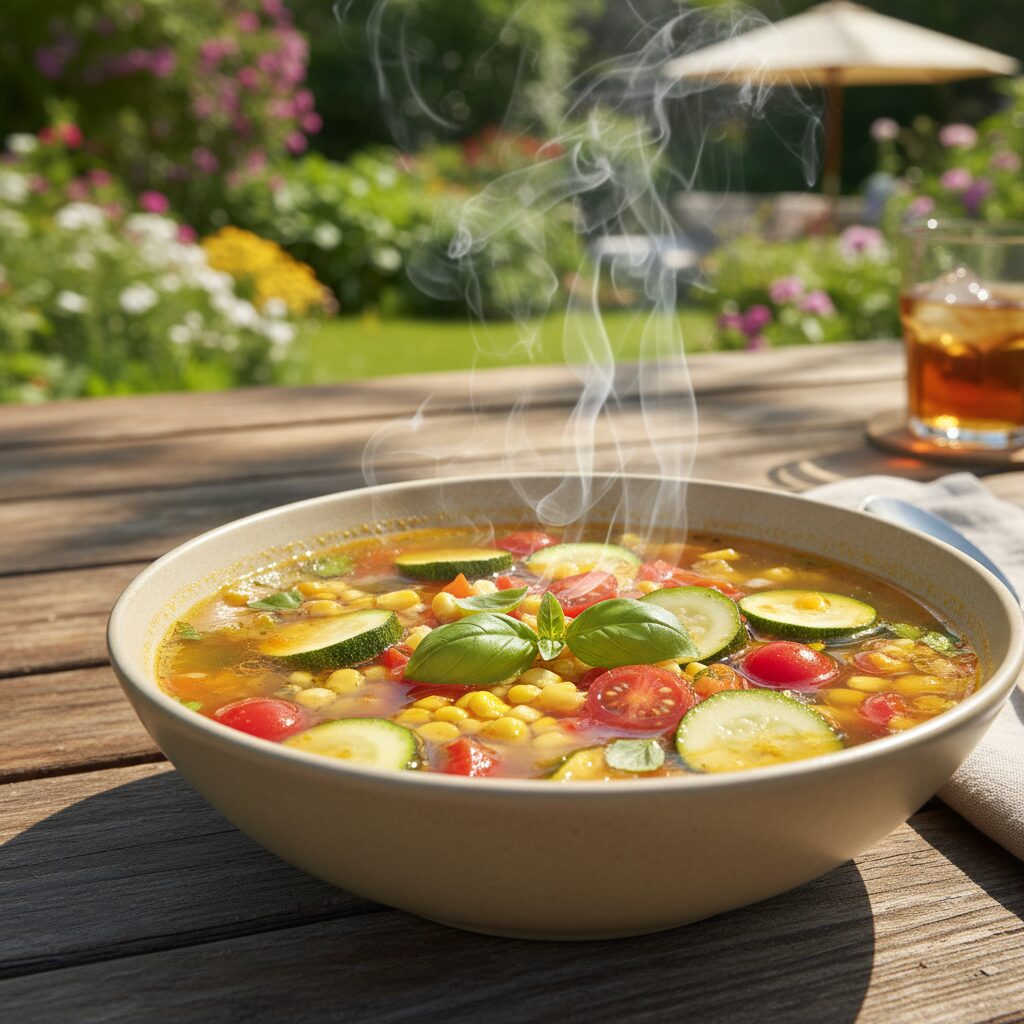
why some people love hot soup in summer, and not just in winter
When the thermometer climbs above 30°C, your first instinct is probably to reach for something ice-cold, right? And yet, for some enthusiasts of unusual flavors and eating habits, hot soup isn’t just reserved for a…
This sensory activation is not limited to the brain; it also modifies the physiological reaction, particularly saliva production, as mentioned previously, and chewing itself. The more viscous a food is, the more chewing becomes an active and even playful experience. Our brain then considers this moment a true sensory game, instead of a simple nutritional necessity.
- Furthermore, this prolonged chewing and increased salivation facilitate digestion by better preparing enzymes and lubricating the food bolus. This complex mechanism reinforces the feeling of satiety and sends a signal of satisfaction to the hypothalamus, which is responsible, among other things, for controlling hunger. A practical example of a scientific experiment on chewing A study conducted on rats showed that sleep deprivation caused significant cellular damage, particularly in the liver and intestines. Extrapolating somewhat playfully, one could imagine that thoroughly chewing viscous foods, by further stimulating the senses, could also hypothetically improve our sleep quality and cellular repair. Not an absolute truth, but one more argument to give these unusual textures that add a little warmth to everyday life a chance! How can we use viscous foods to shake off sensory torpor?
- So, are you ready to awaken your dormant senses with gooey, sticky, and of course, deliciously surprising foods? Here are some practical tips for cleverly incorporating these textures into your daily diet and developing a true sensory curiosity: ✨ Explore a new recipe each week:
- Whether it’s a tapioca dessert or a thick soup, refresh your taste experience.
- 🧠 Pay attention to chewing: Take the time to savor the viscous texture; it helps stimulate your tactile receptors.
- 🔄 Vary your sticky foods:
Incorporate yogurts, purees, thick sauces, and sticky dishes to avoid routine. ⚖️ Balance food and sensation:
| Combine viscosity with other sensations like crunch for a complete sensory experience. | ||
|---|---|---|
| 🍃 Share and discover: Introducing your discoveries to your loved ones is also an excellent way to strengthen your sense of smell and taste. | This commitment to unusual textures is a bet on opening up the senses. And as a proverb that could have been coined by a gourmet scientist says: “Life is too short to always eat boring textures.” | |
| 🍽️ Viscous Foods | 🔍 Stimulated Senses | |
| 🎯 Main Sensory Effect | Tapioca | Touch, Taste |
| Prolonged contact in the mouth, intense tactile stimulation | Greek Yogurt | Taste, Creaminess |
| Velvety texture, amplified sensation of sweetness | Honey | Taste, Smell |
Sticky and sweet, honey activates appetite and memory
Thick Soup
Touch, Taste
Soothing viscosity and prolonged mouthfeel
Dango (Japanese dumplings)
Touch, Taste
Soft and sticky texture for a sensory awakening
Why are some viscous foods considered more stimulating?
Because their texture prolongs contact with the taste buds, which further activates tactile receptors and increases sensory perception.
Can chewing viscous foods really improve digestion?