
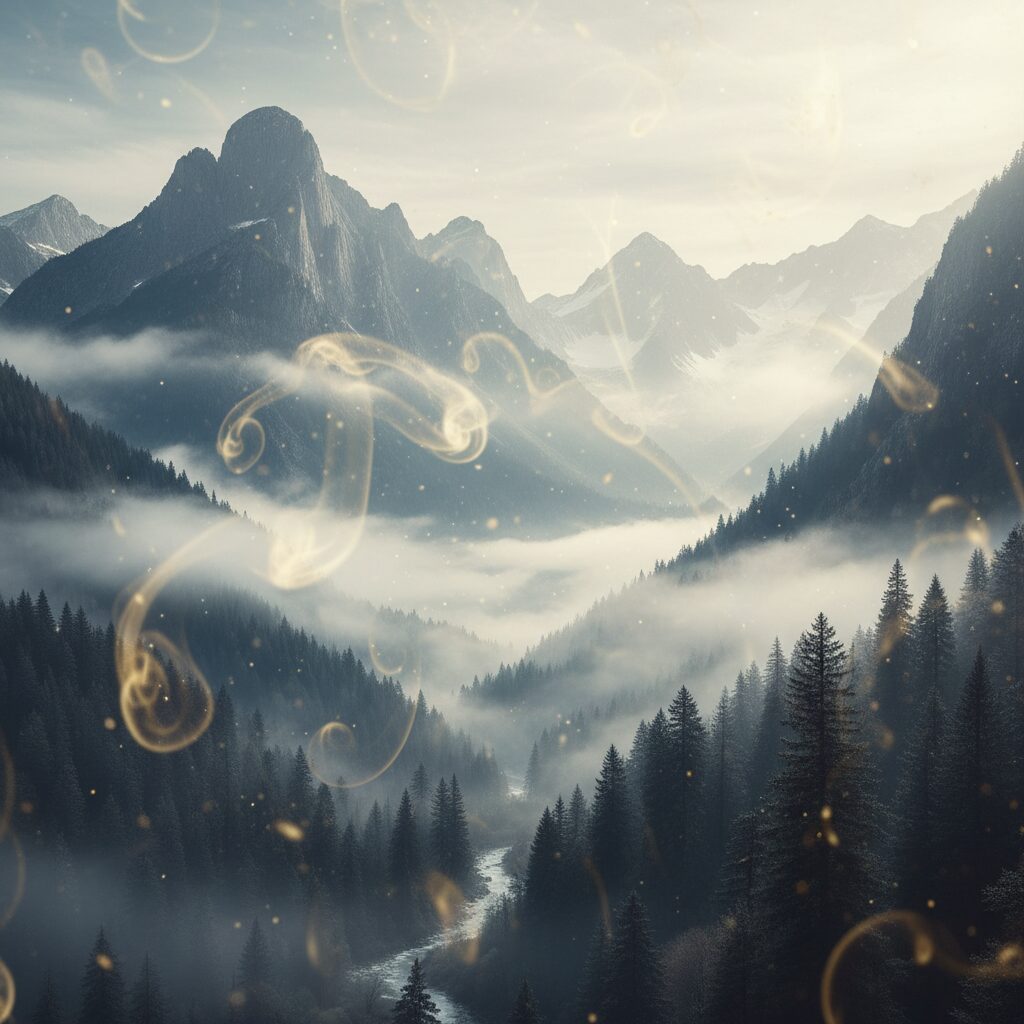
You’ve surely already climbed into the mountains, that realm of breathtaking landscapes, fresh air, and sometimes… that strange scent of vanilla that wafts through the air without you having seen a single pod or exotic flower? Yes, that sweet, almost sugary fragrance sometimes floats around a bend in the trail when the only plants visible are pines or pebbles. How on earth can the air in some mountains smell of vanilla without a single vanilla plant in sight? This sensory mystery isn’t due to an olfactory whim or an ice cream vendor hiding in the woods. Behind this natural magic lies a complex alchemy between atmospheric composition, air chemistry, and the biology of local plants, which together concoct these unexpected fragrances. Prepare to plunge into a world where nature and chemistry meet, where molecules dance in the mountain air to make you sniff a delicious scoop of ice cream without a single vanilla plant in sight. This natural phenomenon, surprisingly common in certain regions like the majestic Swiss Grisons or the French Alps around Chamonix, deserves to be explored like a curious detective sniffing out a new fragrant mystery. Here, natural scent isn’t just a matter of fragrant plants; it’s the result of a subtle interplay between winds, temperature, humidity, and a lively array of atmospheric chemicals that compose this high-altitude olfactory ballet. What chemical components transform mountain air into the scent of vanilla?
Before you swear that the mountain has started selling crème brûlée without your sense of smell noticing, know that the vanilla scent in the air isn’t a direct result of tropical vanilla beans. It’s more a matter of aromatic molecules naturally present in the mountain atmosphere. Among them, vanillin, an aromatic organic compound, takes center stage. A miracle? Not really. This molecule can be emitted naturally by certain plants or even be a product of the decomposition of organic matter carried by the wind. In the mountains, it often comes from decomposing plant matter and the chemistry of the rock and soil.
But how does a molecule typically associated with tropical vanilla end up up there? The key lies in the specific atmospheric composition of high-altitude areas, where low temperatures and UV radiation alter the chemical reactions in the air. At this altitude, the low atmospheric pressure promotes the formation or release of certain natural scents, such as vanillin. Studies show that sunlight and oxygen interact with volatile organic compounds emitted by rocky soils and non-vanilla plants, creating this characteristic fragrance.For example, local conifers, well-known for their pine-resin scent, also emit a surprising range of ethers and phenols which, upon oxidation, contribute to this olfactory bouquet. This atmospheric chemistry, under the strong influence of sunlight, results from a mixture of plant biology, mineral compounds, and even tiny bacteria and fungi present in the mountain air. This natural molecular cocktail gives rise to a unique aromatic signature—often perceived as a sweet vanilla scent, without the vanilla.
This isn’t an isolated phenomenon. Specific winds are sometimes responsible for spreading these scents: sometimes winds descend from a valley rich in organic debris, other times they carry fragrant particles from nearby vegetation. To learn more about these sensory qualities of mountain winds, a quick look at this investigation into the mystical winds of the mountains will give you a serious dose of curiosity. Discover why the air in some mountains gives off a vanilla scent, despite the absence of vanilla plants, thanks to fascinating natural phenomena.
How does plant biology influence natural fragrance at high altitudes?
You might expect the vanilla scent in the mountains to come from some misidentified plant? No need to look! Plant biology in the mountains is a sweet but complex melody. Indeed, while classic vanilla comes from a tropical orchid, in the mountains, other plants—sometimes humble and hardy—emit similar molecules, or their decomposition releases them. These mountain plant species, often conifers, mosses, or stunted shrubs, don’t necessarily produce these molecules to attract moisture. They develop their aromatic compounds to protect their leaves from desiccation, insects, or UV radiation, while also participating in their chemical communication with the environment. For example, certain resins and terpenes emitted by fir and spruce trees naturally evolve into compounds like vanillin under the influence of sunlight and altitude. Other plants also release substances similar to ethyl vanillin, a close chemical cousin of vanillin, contributing to this interplay of scents.
Ces articles devraient vous plaire
Why does sand sometimes become magnetic in certain deserts?
Sand, that indestructible companion of beaches and deserts, is often thought to be simply an inert substance, a bit like those socks lost in the washing machine. Yet, in certain deserts, this sand sometimes reveals…
Speaking of attention to the smallest detail, how can we not mention the way nature defies its own rules? This brings to mind an equally unusual but entirely different case, where a gardener harvested an 8 kg turnip, challenging the laws of nature – to learn more, click here:
a curious, exceptional turnip
A bit like that invisible vanilla in the mountains, nature sometimes has the last word, hidden beneath unassuming appearances.
Why do altitude and atmospheric pressure modulate natural fragrances? It’s not said often enough: altitude changes everything, including the composition of the air and how your nose perceives it. As you climb higher in the mountains, atmospheric pressure decreases. This phenomenon directly influences the evaporation and diffusion of odor molecules in the air. At altitude, fewer molecules are present, but their chemical interaction becomes more intense and specific. It’s a bit like the natural fragrance concentrating or transforming to awaken your sense of smell. Furthermore, the air at high altitudes is drier, and solar radiation is much more powerful. These factors promote certain photochemical reactions in the atmosphere that generate or modify volatile molecules responsible for odors. Thus, despite the “lighter” air, your nose can still detect that delicate fragrance.
Ces articles devraient vous plaire
Why does ice form clock patterns in frozen ponds?
You’ve probably walked past a frozen pond one winter morning and noticed those curious patterns that resemble antique clocks, their hands frozen in a motionless dance. If these enchanting designs have already intrigued you as…
This natural phenomenon is sometimes amplified by meteorological events. For example, in Alpine valleys, temperature inversions can trap the air with its “fragrances” for several hours. Or, lens-shaped clouds or particular winds can also play a role—curious, isn’t it? This is a good starting point for discovering why certain air masses have such strange characteristics:
the mysteries of lens-shaped clouds.
Air chemistry thus becomes more complex with altitude, creating an ephemeral yet delicate atmospheric composition, full of surprises. And this natural variation offers mountain visitors olfactory experiences that are often overlooked. Which mountain regions most often offer this vanilla-scented air?Among the many mountain ranges that dot the planet, there are some where this vanilla air is almost a local specialty. Graubünden in Switzerland, for example, is renowned for its mountain air with its diverse fragrances. According to pulmonologist Beat Villiger, known for his research on the benefits of mountain air, the atmosphere of villages like Vals is brimming with surprising natural scents, where the aroma of vanilla is sometimes subtle but undeniably present.
Ces articles devraient vous plaire

Unusual: A couple launches a raffle to try and sell their unsold apartment
In short: A British couple is struggling to sell their second home in Wales.The initial price of £365,000 is reduced by £40,000, but to no avail.They launch a raffle with tickets at £5.50 to boost…
But there’s no need to go so far! The French mountains also harbor their olfactory treasures. Chamonix, nestled beneath Mont Blanc, offers naturally filtered air, rich in negative ions that contribute to this sensation of a delicately sweet fragrance, far removed from urban pollution. For those who love the great outdoors and alpine panoramas while marveling at scents, the region is a perfect haven.
And since we’re talking about extraordinary adventures, did you know that some strangely bizarre-looking horned lizards also roam the mountains? They’re oddly in keeping with these mysterious regions full of natural scents, a bit like an excursion into raw beauty:
a lizard as strange as the mountain fragrance Comparison of regions with frequent vanilla scent and their characteristics
Region 🏔️
| Average Altitude 🧗 | Prevailing Winds 💨 | Vegetation Type 🌿 | Frequency of Vanilla Scent 🍦 | Grisons (Switzerland) |
|---|---|---|---|---|
| 1,200 – 3,000 m | Western winds and alpine trade winds | Pine forests, spruce, mosses | Frequent | Chamonix (France) |
| 1,000 – 3,800 m | Western winds and valley breezes | Conifers, alpine meadows | Moderate | Pyrenees Mountains |
| 800 – 2,900 m | Mediterranean winds | Mixed forests, juniper | Rare | What other bizarre natural phenomena accompany these mysterious mountain scents? |
Ces articles devraient vous plaire
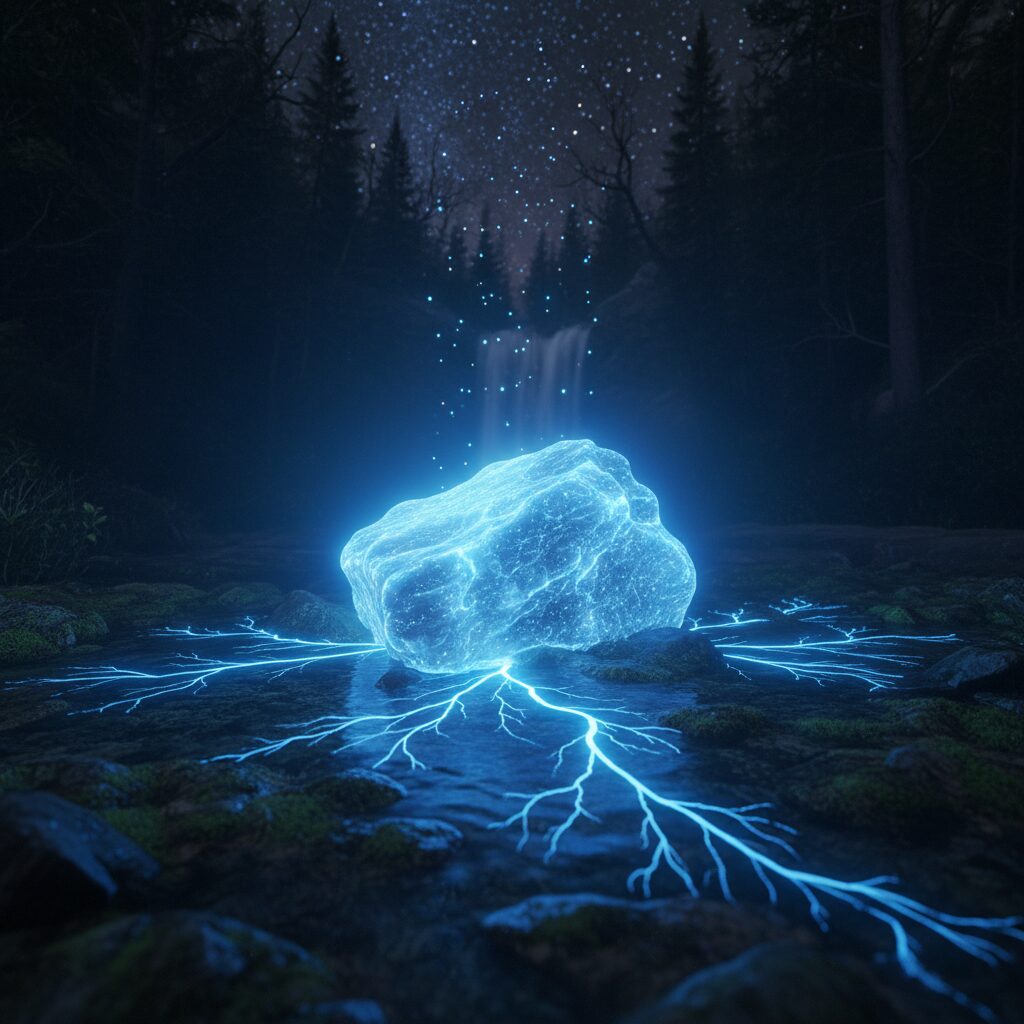
How can rock produce light when in contact with water?
Get ready for a luminous journey that’s a little off the beaten path! Have you ever walked past a rock that lights up strangely when it comes into contact with water? No? Not yet? No…
The mountains are a bit like a playground for natural oddities. Before you go chasing after that invisible vanillin, know that it’s not the only phenomenon that piques the curiosity of experts and hikers alike. Strange sounds created by certain winds, sometimes like chants or moans, also attract attention. These sounds, linked to the topography and the air currents between the rocks, lend an almost mystical atmosphere to these places: discover how these winds create strange sounds in the mountains.
Another curiosity: the footprints left in the damp mountain mud, which can remain visible for several days, intrigue with their persistence despite the elements – almost as if nature wanted you to be a spectator of its unusual little stories. For those curious about unexpected natural phenomena, it’s this way: Footprints that defy the elements.
In the mountains, the natural scent that surprises your nose is often accompanied by other phenomena that enchant or bewilder. A living, mysterious, and ever-inspiring world.
https://www.youtube.com/watch?v=o4gVAuAgLz0
Why is mountain air often purer?
Air at high altitudes is purer because it is far from urban and industrial pollution. Natural filtration by forests and the circulation of alpine winds ensure healthier air with fewer fine particles and allergens.
Do all mountains smell like vanilla?
No, the scent of vanilla is a localized phenomenon dependent on several factors: vegetation, altitude, winds, and the chemical composition of the air. Some mountains will never have this particular scent.
Can you smell vanilla without a vanilla plant?
Yes, because chemical compounds similar to vanillin can be emitted by other plants or produced by natural chemical reactions in the air.
Does altitude affect the composition of atmospheric odors?